Birth planning
Documents to Bring for Birth: Reader Notes and Provider Boundaries
Sources checked: 2026-07-04
begin by keeping the question specific: Begin documents to bring for birth by naming the observation, the timing, and the question that should not stay online. Write down birth setting, support people, hospital instructions, preferences, transport, documents, and questions about changing plans; then turn it into one question: what does my hospital, birth center, clinician, or midwife want me to do if this plan changes? The source-backed part is vocabulary and context; the reader-specific part is the note to bring into care. NHS supports the public frame around stage-by-stage pregnancy education and care-navigation expectations.. This keeps documents to bring for birth practical for a reader without diagnosing, treating, ranking risk, or replacing professional guidance. General birth preparation cannot determine labor status, choose procedures, or replace local birth-team instructions.
Quick start
Preference into question
Use this page to make a birth preference clear enough for the local care setting.
Name the setting, support person, document, transport, or instruction you need confirmed.
when documents to bring for birth started, changed, or became a planning question.
If documents to bring for birth changes, what sign or instruction should make me contact care.
Local birth-setting instructions, labor signs, or urgent symptoms matter more than planning.
Visit route
Make the visit question small
This page turns a broad appointment or planning worry into one care-team question.
- Name
Name the appointment, plan, setting, document, or instruction behind documents to bring for birth.
- Bring
when documents to bring for birth started, changed, or became a planning question.
- Ask
If documents to bring for birth changes, what sign or instruction should make me contact care sooner?
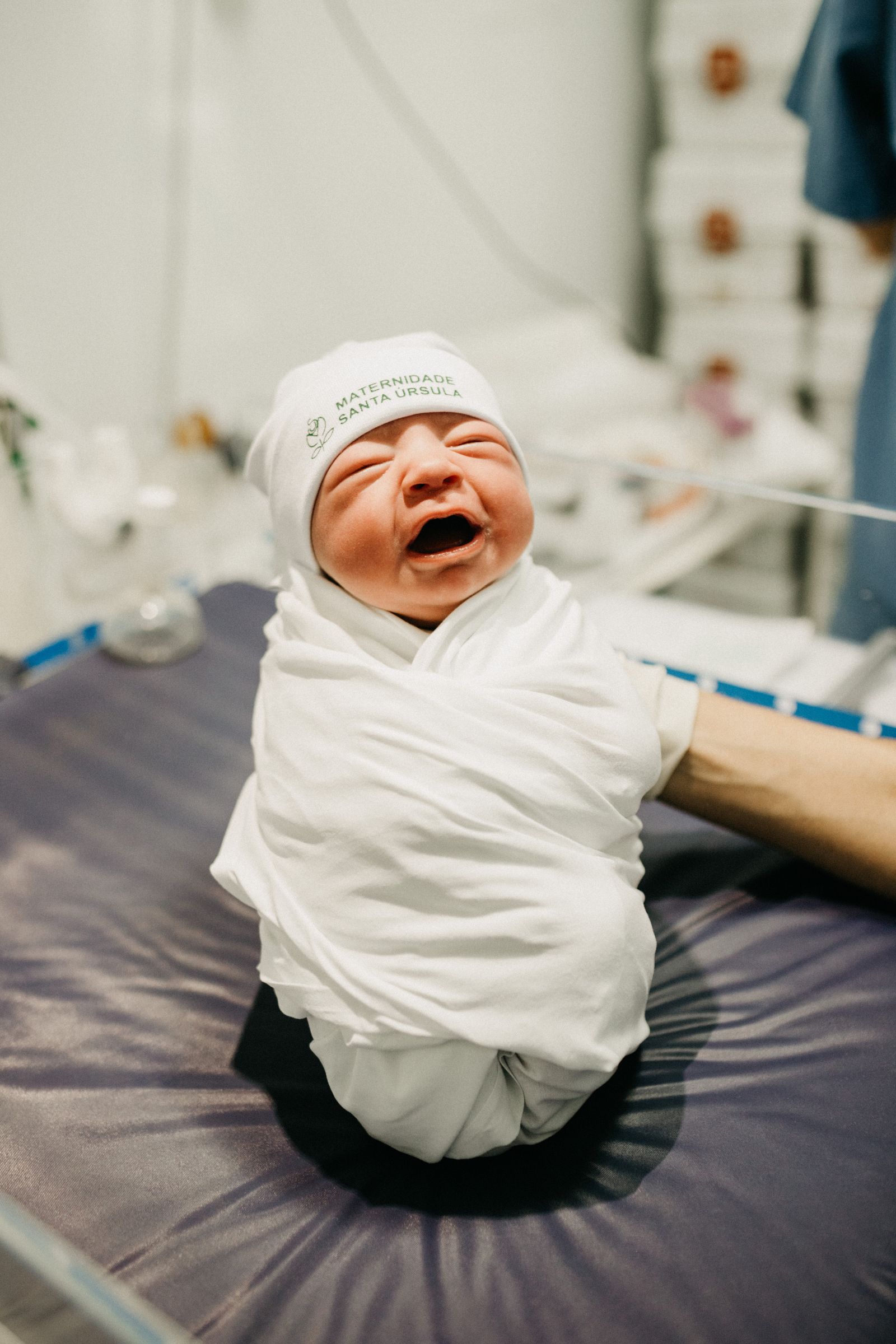
Birth prep is most useful when it respects local instructions and leaves room for plans to change.
Layered path
Start here, then go deeper
- Use now
Use this page to make a birth preference clear enough for the local care setting.
- Check setting
Make the preference specific, then let hospital, birth-center, or local instructions lead.
- Write down
when documents to bring for birth started, changed, or became a planning question.
- Then
For documents to bring for birth, name the birth setting, support people, transport, documents, and instruction you need.
A first-pass read on documents to bring for birth
This topic works best with a short preparation note and a visible stop line. For documents to bring for birth, focus on birth logistics, preferences, and care-team planning. NHS gives one public education frame: NHS pregnancy pages organize stage-by-stage public education, appointments, symptoms, and care navigation while keeping personal decisions local to care teams. The personal answer stays with a healthcare professional who knows the reader's case, and this guide uses the reference for birth setting, preference wording, documents to bring for birth source wording. In a portal message draft, the useful move is to turn a long worry into one repeatable sentence. That helps the reader move from browsing to a usable record before anxiety, privacy, or logistics take over.
Plan detailKeep one line for the main concern and one line for the question you want answered. Center the note on birth setting, support people, hospital instructions, preferences, transport, documents, and questions about changing plans, then trim it until the first sentence can be used in a call, message, or appointment without extra background. Source use: NHS supports birth setting while the personal answer stays outside public reading.
Source roleThe source is a starting point for questions, not a shortcut around prenatal or postpartum care. Use the source wording to ask about birth logistics, preferences, and care-team planning, while keeping personal dates, medicines, symptoms, and prior instructions for the professional conversation. Source use: Planned Parenthood supports local instruction check while the personal answer stays outside public reading.
Support jobUseful support keeps the pregnant person's voice at the center. The support task for documents to bring for birth is learn the preferences, pack or arrange logistics, and follow local instructions during labor or admission; name the practical job clearly so help does not turn into interpretation or pressure. Source use: Mayo Clinic supports documents to bring for birth source wording while the personal answer stays outside public reading.
Local instruction lineThe site does not provide diagnosis, treatment, dosage, or individualized medical advice. Bring this question forward as what does my hospital, birth center, clinician, or midwife want me to do if this plan changes, especially if documents to bring for birth changes, feels time-sensitive, or no longer matches the general wording. Source use: NHS supports birth setting while the personal answer stays outside public reading.
Context and safety lensOpen the reader situation, page route, and format notes after the first section.
Visit path
One visit question, fewer loose notes
This layout treats tests, scans, appointments, and birth planning as preparation for a care conversation.
- 1Name it
Name the appointment, scan, result label, document, or instruction connected to documents to bring for birth.
- 2Bring it
Keep when documents to bring for birth started, changed, or became a planning question. next to the question instead of carrying a long search trail into the visit.
- 3Ask
If documents to bring for birth changes, what sign or instruction should make me contact care sooner?
Birth-plan boundary
Educational only for documents to bring for birth. This is not medical advice, diagnosis, or treatment. The cited sources are used for public pregnancy education, question preparation, and professional-boundary wording; they are not used for dosage selection, risk ranking, or an individualized care plan. If a concern feels severe, sudden, unusual, persistent, or worrying, stop reading and contact a healthcare provider, care team, or local emergency route instead of waiting for certainty from general sources.
Start here if
Read this if documents to bring for birth is making you compare too many examples; the goal is to choose the detail that should travel into care, not to collect more guesses.
If documents to bring for birth changes, what sign or instruction should make me contact care sooner?
If documents to bring for birth changes after you write the note, stop reading and use the change as a reason to ask your provider rather than keeping the question open online.
Birth read
Preference into question
Birth preparation pages turn preferences into care-team questions because local instructions and changing plans matter.
For documents to bring for birth, name the birth setting, support people, transport, documents, and instruction you need confirmed.
Keep when documents to bring for birth started, changed, or became a planning question. close to the question so the next call, message, or visit starts with facts instead of guesswork.
Ask someone to help with this next step: learn the preferences, pack or arrange logistics, and follow local instructions during labor or admission. Use the source language as a starting point, not a verdict.
The details that make documents to bring for birth easier to explain
Add context such as recent travel, food, activity, stress, sleep, medication, or prior instructions when relevant. For documents to bring for birth, the useful record is birth setting, support people, hospital instructions, preferences, transport, documents, and questions about changing plans. Keep that record tied to the reader's timing, setting, and support needs so it can be used in a visit, message, or phone call. Planned Parenthood cannot supply those private facts; it only supports the public frame around pregnancy options, testing, and prenatal-care navigation in plain language.. In a birth-setting question, the useful move is to connect the source language to a real call, message, visit, or support task. That gives Planned Parenthood a narrow role: vocabulary and boundaries, not a verdict for one pregnancy.
Plan detailIf the question is about support, record the task you need help with and the preference you want respected. Center the note on birth setting, support people, hospital instructions, preferences, transport, documents, and questions about changing plans, then trim it until the first sentence can be used in a call, message, or appointment without extra background. Source use: Planned Parenthood supports preference wording while the personal answer stays outside public reading.
Source roleThe source is included so the reader can trace the public guidance behind the wording. Use the source wording to ask about birth logistics, preferences, and care-team planning, while keeping personal dates, medicines, symptoms, and prior instructions for the professional conversation. Source use: Mayo Clinic supports support-person role while the personal answer stays outside public reading.
Support jobFor postpartum recovery, the helper can watch for escalation signs and take practical tasks seriously. The support task for documents to bring for birth is learn the preferences, pack or arrange logistics, and follow local instructions during labor or admission; name the practical job clearly so help does not turn into interpretation or pressure. Source use: NHS supports documents to bring for birth source wording while the personal answer stays outside public reading.
Local instruction lineWhen in doubt, make the call clearer instead of avoiding the call. Bring this question forward as what does my hospital, birth center, clinician, or midwife want me to do if this plan changes, especially if documents to bring for birth changes, feels time-sensitive, or no longer matches the general wording. Source use: Planned Parenthood supports preference wording while the personal answer stays outside public reading.
The question to bring to care about documents to bring for birth
The strongest result is a real-world conversation after reading. A practical question is what does my hospital, birth center, clinician, or midwife want me to do if this plan changes. Mayo Clinic helps with general wording, and the reader's clinician, midwife, therapist, dietitian, or local professional handles interpretation. Keep this section tied to local instruction check, support-person role, documents to bring for birth source wording while leaving diagnosis, treatment, dosage, risk ranking, and personal decisions outside public reading. In a work, travel, or childcare constraint, the useful move is to write the question in wording that still works when the reader is tired. That keeps the reading useful for birth preparation and planning education without turning public guidance into personal advice.
Plan detailUse dates or timing when they are known and say clearly when they are not. Center the note on birth setting, support people, hospital instructions, preferences, transport, documents, and questions about changing plans, then trim it until the first sentence can be used in a call, message, or appointment without extra background. Source use: Mayo Clinic supports local instruction check while the personal answer stays outside public reading.
Source roleThe authority link supports the general education angle, not a diagnosis, dosage, or treatment choice. Use the source wording to ask about birth logistics, preferences, and care-team planning, while keeping personal dates, medicines, symptoms, and prior instructions for the professional conversation. Source use: NHS supports preference wording while the personal answer stays outside public reading.
Support jobA support person can help gather details while the clinical interpretation stays with professionals. The support task for documents to bring for birth is learn the preferences, pack or arrange logistics, and follow local instructions during labor or admission; name the practical job clearly so help does not turn into interpretation or pressure. Source use: Planned Parenthood supports documents to bring for birth source wording while the personal answer stays outside public reading.
Local instruction lineAvoid ranking danger from a single detail. Bring this question forward as what does my hospital, birth center, clinician, or midwife want me to do if this plan changes, especially if documents to bring for birth changes, feels time-sensitive, or no longer matches the general wording. Source use: Mayo Clinic supports local instruction check while the personal answer stays outside public reading.
A support handoff for documents to bring for birth
If anxiety is high, support can help shorten the path from worry to a qualified answer. For documents to bring for birth, learn the preferences, pack or arrange logistics, and follow local instructions during labor or admission. This is not a symptom checker and not a substitute for prenatal, postpartum, mental-health, or emergency care. General birth preparation cannot determine labor status, choose procedures, or replace local birth-team instructions. This source is not used to diagnose, treat, choose a dosage, rank personal risk, or create an individualized care plan. In a callback wait, the useful move is to decide what a helper can do without taking control. That matters because documents to bring for birth can sit between ordinary planning and a situation that needs professional judgment.
Plan detailPut the most concerning detail first so it does not get lost in a long story. Center the note on birth setting, support people, hospital instructions, preferences, transport, documents, and questions about changing plans, then trim it until the first sentence can be used in a call, message, or appointment without extra background. Source use: NHS supports birth setting while the personal answer stays outside public reading.
Source roleThe source helps frame the question without ranking what is happening for one person. Use the source wording to ask about birth logistics, preferences, and care-team planning, while keeping personal dates, medicines, symptoms, and prior instructions for the professional conversation. Source use: Planned Parenthood supports local instruction check while the personal answer stays outside public reading.
Support jobFor appointment prep, the helper can bring the written question and stay quiet when needed. The support task for documents to bring for birth is learn the preferences, pack or arrange logistics, and follow local instructions during labor or admission; name the practical job clearly so help does not turn into interpretation or pressure. Source use: Mayo Clinic supports documents to bring for birth source wording while the personal answer stays outside public reading.
Local instruction lineThe safest next action may be immediate care when warning signs or safety concerns are present. Bring this question forward as what does my hospital, birth center, clinician, or midwife want me to do if this plan changes, especially if documents to bring for birth changes, feels time-sensitive, or no longer matches the general wording. Source use: NHS supports birth setting while the personal answer stays outside public reading.
Editor note
Keep the question narrow
These notes keep the page in education territory: understand the situation, record the useful details, and bring the personal part to a qualified healthcare professional.
Reading desk
The part to keep in focus
A common misread of documents to bring for birth is treating it as a reassurance search that can keep going all night, especially before a workday or travel plan. A birth preference is not the same as a fixed plan. Move from browsing to asking when the topic starts carrying real-world consequences.
For documents to bring for birth, your own symptoms, dates, test results, medicines, history, and local instructions may change the next step. Use the cited public sources to prepare for a provider or clinician conversation rather than deciding alone.
Read this if documents to bring for birth is making you compare too many examples; the goal is to choose the detail that should travel into care, not to collect more guesses.
Use this today for documents to bring for birth: put the timing or setting next to the concern, then connect it to setting, support people, transport, documents, and what local instructions say for a portal message. That keeps the guide tied to real use rather than background reading.
A common misread of documents to bring for birth is treating it as a reassurance search that can keep going all night, especially before a workday or travel plan. A birth preference is not the same as a fixed plan. Move from browsing to asking when the topic starts carrying real-world consequences.
If documents to bring for birth changes, what sign or instruction should make me contact care sooner?
If documents to bring for birth changes after you write the note, stop reading and use the change as a reason to ask your provider rather than keeping the question open online.
For documents to bring for birth, save the checklist item or conversation prompt that fits your birth setting and ask what your hospital or birth center prefers. before the next visit or message because the dates, context, and support need are easier to discuss when they are already written down.
Who this helps most
- Fits readers who are using documents to bring for birth for birth-planning conversations because the question feels small but keeps coming back and an access or insurance barrier would benefit from a note that survives stress during a kitchen-table conversation.
- Use this if you want documents to bring for birth as a stage orientation note and need a note that survives stress around a heat or weather concern in a after-work check.
- This is not the best fit if you need medication, dosage, treatment, or clearance advice; in that case, a food label needs a clearer record from the relevant professional or emergency route instead of more reading about birth logistics, preferences, and care-team planning.
- Reader fit is strongest when documents to bring for birth becomes less guessing for a high-risk history note during a movement-pause review, not when the guide is used as a private answer key.
Planning notes
Birth-prep check
What matters first
- This guide keeps birth logistics, preferences, and care-team planning attached to source-led language and away from personalized claims. NHS anchors the public language. Keep it usable as a transport plan when a prior instruction feels unclear.
- The useful output is a care-team question about birth logistics, preferences, and care-team planning, not a home verdict. Planned Parenthood is used as a boundary check. Keep it usable as a clinic callback note after receiving mixed advice.
- The useful output is a care-team question about birth logistics, preferences, and care-team planning, not a home verdict. The rewrite brief keeps the next step at: For documents to bring for birth, save the checklist item or conversation prompt that fits your birth setting and ask what your hospital or birth center prefers. before the next visit or message because the dates, context, and support need are easier to discuss when they are already written down.. Keep it usable as a risk-history note before saving the note for later.
One-minute check
- Decide whether the next step is reading, recording, asking, calling, resting, packing, shopping, or getting help. Then flag it for a food-shopping decision.
- Remove guesses about cause and keep only what happened, when, and what you need to ask. Check the cited wording before stretching it into a personal answer. Then handoff it for a callback reminder.
- Check whether the concern is new, persistent, severe, unusual, or worrying. Keep the non-claims visible: no diagnosis, treatment, dosage, risk ranking, or clinical signoff. Then summarize it for a follow-up after the answer is clear.
- Mark whether this belongs in a visit, portal message, phone call, support chat, or urgent-care decision. Then copy it for a medication-list review.
Words for a birth question
Call, message, or ask with this wording: You can ask: "What is the safest next step if this becomes sudden, severe, unusual, persistent, or worrying?" Mention that you used public sources only to organize the question, not to decide the answer. If the concern is not urgent but still personal, book or message instead of guessing.
Notes to bring
- Timing: when documents to bring for birth started, changed, or became a planning question.
- Context: medicines, prior instructions, health history, access issue, or support gap that may change the conversation.
- Question: the shortest version of what does my hospital, birth center, clinician, or midwife want me to do if this plan changes.
- Source note: which public source wording helped you name the question, and where the source could not answer personal facts.
Birth planning path
Turn a preference into a care-team question
Birth prep is most useful when it respects local instructions and leaves room for plans to change.
Turn the birth preference into a question about setting, support people, documents, transport, or local instructions. Start with the detail that changed most recently.
Bring one question to a visit, message, or call: what does my hospital, birth center, clinician, or midwife want me to do if this plan changes? Start with the detail that changed most recently.
Ask someone to help with this next step: learn the preferences, pack or arrange logistics, and follow local instructions during labor or admission. Use the source language as a starting point, not a verdict.
Sources and limitsUse this when you want the public sources and what they do not decide.
References
For documents to bring for birth, NHS and Planned Parenthood are included so the reader can trace the general frame before asking about personal details. The selected references target birth setting, preference wording, documents to bring for birth source wording and preference wording, local instruction check, documents to bring for birth source wording. Neither source can see the reader's dates, symptoms, medicines, test results, prior history, or local instructions. Use the links to verify terms, prepare one question about what does my hospital, birth center, clinician, or midwife want me to do if this plan changes, and bring birth setting, support people, hospital instructions, preferences, transport, documents, and questions about changing plans into a provider, clinician, dietitian, therapist, or emergency conversation when needed.
For documents to bring for birth, your own symptoms, dates, test results, medicines, history, and local instructions may change the next step. Use the cited public sources to prepare for a provider or clinician conversation rather than deciding alone.
Reader questionsShort answers are available when you need another wording angle.
Questions readers ask
How do I turn documents to bring for birth into this care question: how can I use documents to bring for birth for planning without making a care plan myself?
Support matters because readers often need help remembering, calling, resting, eating safely, traveling, packing, or getting to care. Use the small-next-step angle to shorten the question rather than to decide the care answer. A support person can help with logistics while the care decision stays with the right professional. NHS supports the general wording for birth setting, preference wording, documents to bring for birth source wording, but it cannot answer the reader's private symptoms, dates, medicines, history, local instructions, or care choices. Use that limit to move the question toward the reader's healthcare professional or care team instead of a longer search loop.
How can I keep documents to bring for birth practical for birth logistics, preferences, and care-team planning while asking: when does documents to bring for birth need a care-team conversation instead of more reading?
Keep the note factual. Describe what changed, when it happened, and what you want to ask, then let the clinician interpret the pattern with you. For documents to bring for birth, that means using the conversation lens before asking what applies personally. For this topic, the safer record is birth setting, support people, hospital instructions, preferences, transport, documents, and questions about changing plans. Planned Parenthood supports the general wording for preference wording, local instruction check, documents to bring for birth source wording, but it cannot answer the reader's private symptoms, dates, medicines, history, local instructions, or care choices. Use that limit to move the question toward the reader's healthcare professional or care team instead of a longer search loop.
For documents to bring for birth, what should I avoid assuming about birth logistics, preferences, and care-team planning?
This is not a symptom checker. It does not sort risk or say whether it is safe to wait; it helps you prepare what to share. In practice, the appointment detail matters only when it is paired with the reader's own timing and instructions. If the situation changes, update the note and ask instead of stretching a general answer. Mayo Clinic supports the general wording for local instruction check, support-person role, documents to bring for birth source wording, but it cannot answer the reader's private symptoms, dates, medicines, history, local instructions, or care choices. Use that limit to move the question toward the reader's healthcare professional or care team instead of a longer search loop.
Next reading pathUse this as a sequence, not a generic recommendation list.
Keep reading by need