Support team
Supporting LGBTQIA Plus Pregnancy: Scripts, Boundaries, and Shared Tasks
Sources checked: 2026-07-04
start with the one-change-at-a-time lens: A useful read on supporting lgbtqia plus pregnancy begins with the record, not with a private verdict. Write down the task, preference, boundary, appointment role, household load, and what the pregnant person says would help; then turn it into one question: what support role is welcome, and what professional or emergency boundary should our household know? Cleveland Clinic adds the boundary that general reading cannot see dates, symptoms, medicines, history, or local instructions. The cited material is used to keep the wording conservative, not to choose treatment, dosage, urgency, or a care plan. This keeps supporting lgbtqia plus pregnancy practical for a reader without diagnosing, treating, ranking risk, or replacing professional guidance. Support people cannot interpret symptoms, override consent, or replace professional care.
Quick start
Ask before helping
Use this page to lower friction without taking over decisions or privacy.
Ask what role is welcome, then choose one concrete job: notes, transport, food, quiet check-in, or message support.
when supporting lgbtqia plus pregnancy started, changed, or became a planning question.
Given supporting lgbtqia plus pregnancy, what would you want me to track, change, or report next?
Warning signs, safety concerns, privacy, consent, or professional care are involved.
Support route
Consent before help
Support pages should lower friction without taking over privacy or decisions.
- Ask
Ask what role is welcome before joining appointments, reading results, or speaking for someone.
- Do
Pick one concrete job around supporting lgbtqia plus pregnancy: notes, transport, food, household load, quiet check-in, or message support.
- Line
Support can help contact care and record details. It cannot interpret symptoms or override consent.
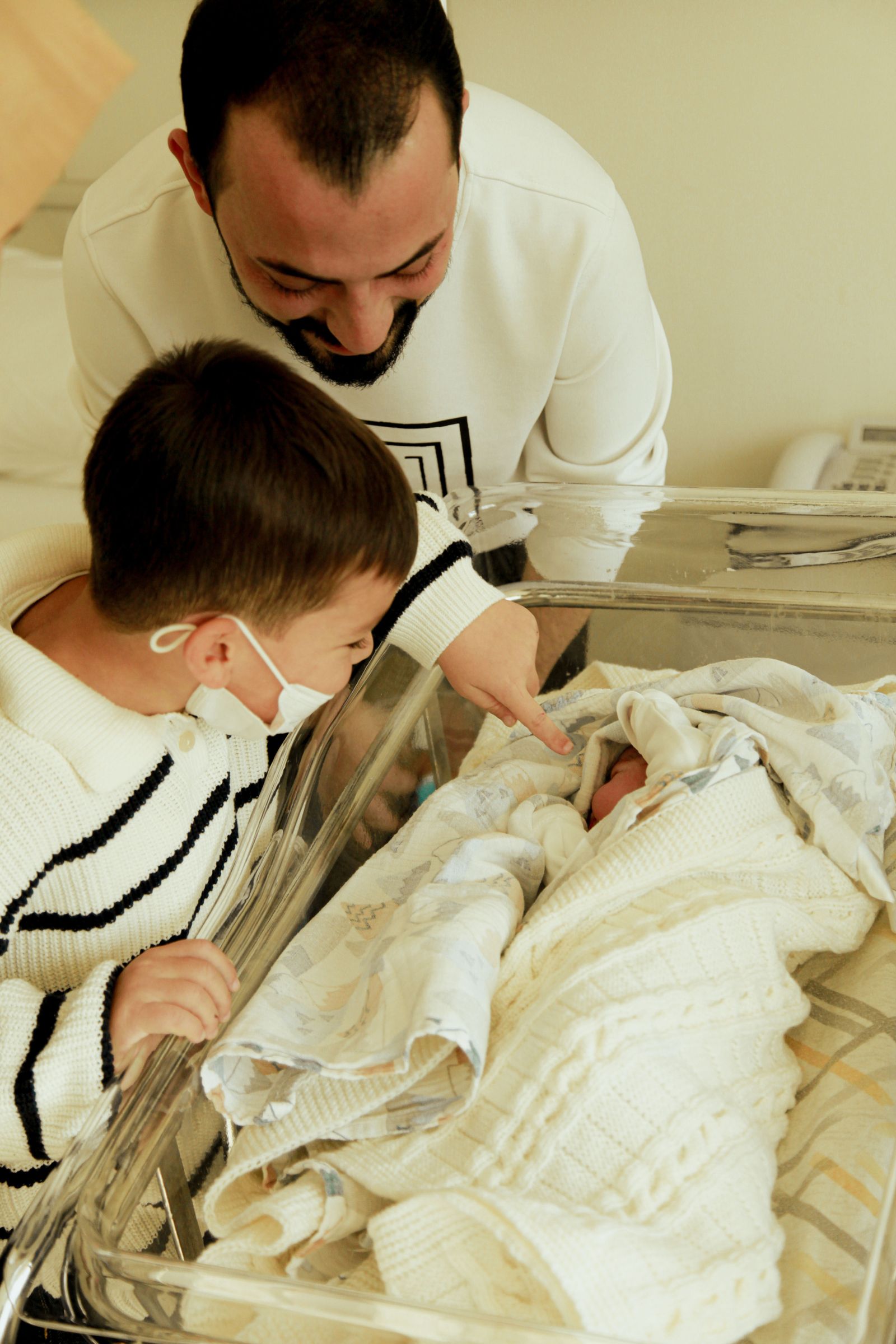
Support pages are written for consent, practical work, and clear professional boundaries.
Layered path
Start here, then go deeper
- Use now
Use this page to lower friction without taking over decisions or privacy.
- Ask permission
Start with consent, then choose one task that reduces friction without taking over decisions.
- Write down
when supporting lgbtqia plus pregnancy started, changed, or became a planning question.
- Then
Ask what role is welcome before joining appointments, reading results, or speaking for the pregnant or postpartum person.
A first-pass read on supporting lgbtqia plus pregnancy
The reader should leave with fewer loose details and no false certainty. For supporting lgbtqia plus pregnancy, focus on support communication and household planning. CDC Hear Her gives one public education frame: CDC Hear Her centers urgent maternal warning signs and encourages prompt contact with emergency or professional care when those signs appear. The personal answer stays with a healthcare professional who knows the reader's case, and this guide uses the reference for support permission, household task, supporting lgbtqia plus pregnancy source wording. In a movement or rest pause, the useful move is to write the question in wording that still works when the reader is tired. That makes the support step practical while leaving diagnosis, treatment, dosage, and urgency judgment outside general reading.
Ask firstIf the question is about mood, record safety, sleep, intensity, support, and whether help feels accessible. Center the note on the task, preference, boundary, appointment role, household load, and what the pregnant person says would help, then trim it until the first sentence can be used in a call, message, or appointment without extra background. Source use: CDC Hear Her supports support permission while the personal answer stays outside public reading.
Source roleThe source gives enough background for a better question, not enough detail for self-management. Use the source wording to ask about support communication and household planning, while keeping personal dates, medicines, symptoms, and prior instructions for the professional conversation. Source use: Cleveland Clinic supports emergency boundary while the personal answer stays outside public reading.
Do one taskA support person can listen first, then help with the practical task the pregnant or postpartum person chooses. The support task for supporting lgbtqia plus pregnancy is ask first, take practical work seriously, and keep the pregnant person's choices central; name the practical job clearly so help does not turn into interpretation or pressure. Source use: March of Dimes supports supporting lgbtqia plus pregnancy source wording while the personal answer stays outside public reading.
Consent lineCare-team guidance matters more than general information when the reader has risk factors or new symptoms. Bring this question forward as what support role is welcome, and what professional or emergency boundary should our household know, especially if supporting lgbtqia plus pregnancy changes, feels time-sensitive, or no longer matches the general wording. Source use: CDC Hear Her supports support permission while the personal answer stays outside public reading.
Context and safety lensOpen the reader situation, page route, and format notes after the first section.
Support path
Ask before helping
Support pages should give practical help without taking over privacy, symptoms, or decisions.
- 1Permission
Ask what role is welcome before joining appointments, reading results, or speaking for someone.
- 2Task
Choose one useful job around supporting lgbtqia plus pregnancy: notes, transport, food, household load, quiet check-in, or message support.
- 3Know the line
Support can help contact care or record details; it cannot interpret symptoms or override consent.
Support boundary
Educational only for supporting lgbtqia plus pregnancy. This is not medical advice, diagnosis, or treatment. The cited sources are used for public pregnancy education, question preparation, and professional-boundary wording; they are not used for dosage selection, risk ranking, or an individualized care plan. If a concern feels severe, sudden, unusual, persistent, or worrying, stop reading and contact a healthcare provider, care team, or local emergency route instead of waiting for certainty from general sources.
Start here if
This guide fits a reader who has supporting lgbtqia plus pregnancy on their mind, knows the personal answer depends on their own history, and wants one practical note before the next conversation.
Given supporting lgbtqia plus pregnancy, what would you want me to track, change, or report next?
For supporting lgbtqia plus pregnancy, move from reading to a care-team message or call when your own history, instructions, symptoms, or risk factors could change the answer.
Support read
Ask before helping
Support pages give practical help language while keeping consent, privacy, and professional boundaries in view.
Ask what role is welcome before joining appointments, reading results, or speaking for the pregnant or postpartum person.
Choose one concrete job around supporting lgbtqia plus pregnancy: notes, transport, food, household load, quiet check-in, or message support.
CDC Hear Her is used for general wording and boundaries. Your own dates, symptoms, medicines, and instructions still belong with care.
What to save before a call about supporting lgbtqia plus pregnancy
Use the note to reduce friction when you need to ask for help quickly. For supporting lgbtqia plus pregnancy, the useful record is the task, preference, boundary, appointment role, household load, and what the pregnant person says would help. Keep that record tied to the reader's timing, setting, and support needs so it can be used in a visit, message, or phone call. Cleveland Clinic cannot supply those private facts; it only supports the public frame around general pregnancy concepts and prenatal-care education.. In a mood-support conversation, the useful move is to decide what a helper can do without taking control. That keeps the safest next action tied to the reader's own timing, access, history, and instructions.
Ask firstSave the detail that would help a nurse, midwife, doctor, therapist, or dietitian respond. Center the note on the task, preference, boundary, appointment role, household load, and what the pregnant person says would help, then trim it until the first sentence can be used in a call, message, or appointment without extra background. Source use: Cleveland Clinic supports household task while the personal answer stays outside public reading.
Source roleThe cited guidance helps avoid folk wisdom and keeps the next action provider-oriented. Use the source wording to ask about support communication and household planning, while keeping personal dates, medicines, symptoms, and prior instructions for the professional conversation. Source use: March of Dimes supports consent-respecting language while the personal answer stays outside public reading.
Do one taskIf anxiety is high, support can help shorten the path from worry to a qualified answer. The support task for supporting lgbtqia plus pregnancy is ask first, take practical work seriously, and keep the pregnant person's choices central; name the practical job clearly so help does not turn into interpretation or pressure. Source use: CDC Hear Her supports supporting lgbtqia plus pregnancy source wording while the personal answer stays outside public reading.
Consent lineThis is not a symptom checker and not a substitute for prenatal, postpartum, mental-health, or emergency care. Bring this question forward as what support role is welcome, and what professional or emergency boundary should our household know, especially if supporting lgbtqia plus pregnancy changes, feels time-sensitive, or no longer matches the general wording. Source use: Cleveland Clinic supports household task while the personal answer stays outside public reading.
What answer you need about supporting lgbtqia plus pregnancy
A practical frame matters because the same topic can mean different things in different pregnancies. A practical question is what support role is welcome, and what professional or emergency boundary should our household know. March of Dimes helps with general wording, and the reader's clinician, midwife, therapist, dietitian, or local professional handles interpretation. Keep this section tied to emergency boundary, consent-respecting language, supporting lgbtqia plus pregnancy source wording while leaving diagnosis, treatment, dosage, risk ranking, and personal decisions outside public reading. In a rushed morning note, the useful move is to make the next step visible without pretending the answer is settled. That helps the reader move from browsing to a usable record before anxiety, privacy, or logistics take over.
Ask firstIf the question is about a body cue, record timing, intensity, and whether anything else changed. Center the note on the task, preference, boundary, appointment role, household load, and what the pregnant person says would help, then trim it until the first sentence can be used in a call, message, or appointment without extra background. Source use: March of Dimes supports emergency boundary while the personal answer stays outside public reading.
Source roleThe source helps keep the wording from becoming anecdotal or fear-based. Use the source wording to ask about support communication and household planning, while keeping personal dates, medicines, symptoms, and prior instructions for the professional conversation. Source use: CDC Hear Her supports household task while the personal answer stays outside public reading.
Do one taskFor mental health, the helper can stay connected and help reach professional support if safety feels uncertain. The support task for supporting lgbtqia plus pregnancy is ask first, take practical work seriously, and keep the pregnant person's choices central; name the practical job clearly so help does not turn into interpretation or pressure. Source use: Cleveland Clinic supports supporting lgbtqia plus pregnancy source wording while the personal answer stays outside public reading.
Consent lineThe stop line is personal interpretation, urgent triage, medication decisions, and anything that feels severe or unsafe. Bring this question forward as what support role is welcome, and what professional or emergency boundary should our household know, especially if supporting lgbtqia plus pregnancy changes, feels time-sensitive, or no longer matches the general wording. Source use: March of Dimes supports emergency boundary while the personal answer stays outside public reading.
When supporting lgbtqia plus pregnancy needs more than reassurance
Support is most useful when it follows consent, preference, and current care-team instructions. For supporting lgbtqia plus pregnancy, ask first, take practical work seriously, and keep the pregnant person's choices central. Emergency signs, unsafe thoughts, severe pain, heavy bleeding, chest pain, trouble breathing, fainting, fever, or reduced fetal movement need urgent help. Support people cannot interpret symptoms, override consent, or replace professional care. This source is not used to diagnose, treat, choose a dosage, rank personal risk, or create an individualized care plan. In a visit agenda, the useful move is to put the timeline next to the question instead of leaving it in memory. That gives CDC Hear Her a narrow role: vocabulary and boundaries, not a verdict for one pregnancy.
Ask firstRecord changes without turning the note into a diagnosis. Center the note on the task, preference, boundary, appointment role, household load, and what the pregnant person says would help, then trim it until the first sentence can be used in a call, message, or appointment without extra background. Source use: CDC Hear Her supports support permission while the personal answer stays outside public reading.
Source roleReaders can use the source to verify terms before asking a more personal question. Use the source wording to ask about support communication and household planning, while keeping personal dates, medicines, symptoms, and prior instructions for the professional conversation. Source use: Cleveland Clinic supports emergency boundary while the personal answer stays outside public reading.
Do one taskShared planning should not assume one family structure. The support task for supporting lgbtqia plus pregnancy is ask first, take practical work seriously, and keep the pregnant person's choices central; name the practical job clearly so help does not turn into interpretation or pressure. Source use: March of Dimes supports supporting lgbtqia plus pregnancy source wording while the personal answer stays outside public reading.
Consent lineIf the reader is unsure whether to call, uncertainty itself can be a reason to ask. Bring this question forward as what support role is welcome, and what professional or emergency boundary should our household know, especially if supporting lgbtqia plus pregnancy changes, feels time-sensitive, or no longer matches the general wording. Source use: CDC Hear Her supports support permission while the personal answer stays outside public reading.
Editor note
Keep the question narrow
These notes keep the page in education territory: understand the situation, record the useful details, and bring the personal part to a qualified healthcare professional.
Reading desk
The part to keep in focus
A common misread of supporting lgbtqia plus pregnancy is treating it as a reason to compare strangers' timelines, especially before an appointment that already feels crowded. Support is not the same as taking over the pregnant person's voice. Treat the guide as a way to shorten the next contact, not to settle the private answer.
For supporting lgbtqia plus pregnancy, your own symptoms, dates, test results, medicines, history, and local instructions may change the next step. Use the cited public sources to prepare for a provider or clinician conversation rather than deciding alone.
This guide fits a reader who has supporting lgbtqia plus pregnancy on their mind, knows the personal answer depends on their own history, and wants one practical note before the next conversation.
Use this today for supporting lgbtqia plus pregnancy: keep the shortest version ready for the next contact, then connect it to permission, task, boundary, and the pregnant person's exact preference for a household planning note. That turns reading into preparation instead of a longer search loop.
A common misread of supporting lgbtqia plus pregnancy is treating it as a reason to compare strangers' timelines, especially before an appointment that already feels crowded. Support is not the same as taking over the pregnant person's voice. Treat the guide as a way to shorten the next contact, not to settle the private answer.
Given supporting lgbtqia plus pregnancy, what would you want me to track, change, or report next?
For supporting lgbtqia plus pregnancy, move from reading to a care-team message or call when your own history, instructions, symptoms, or risk factors could change the answer.
If logistics are the barrier around supporting lgbtqia plus pregnancy, pick one support task and ask the pregnant person what would feel useful this week. and share only the practical task with a support person while a qualified professional handles the decision.
Who this helps most
- Fits readers who are using supporting lgbtqia plus pregnancy for support-person boundaries because you already have instructions and need to ask what changes them and a chosen-family check-in would benefit from a more usable appointment card during a appointment-eve pass.
- Use this if you want supporting lgbtqia plus pregnancy as a mood and safety prompt and need less guessing around a household-load issue in a packing-list review.
- This is not the best fit if you need emergency help right now; in that case, a chosen-family check-in needs a clearer callback reason from the relevant professional or emergency route instead of more reading about support communication and household planning.
- Reader fit is strongest when supporting lgbtqia plus pregnancy becomes a calmer first sentence for a heat or weather concern during a packing-list review, not when the guide is used as a private answer key.
Support role notes
One helpful action
What matters first
- A support person can help turn ask first, take practical work seriously, and keep the pregnant person's choices central into one practical task instead of a debate. CDC Hear Her anchors the public language. Keep it usable as a symptom log during a postpartum recovery check.
- The safest reading is conservative: Support people cannot interpret symptoms, override consent, or replace professional care. Cleveland Clinic is used as a boundary check. Keep it usable as a question list while checking a hospital instruction.
- Supporting LGBTQIA Plus Pregnancy is most useful when it starts with the task, preference, boundary, appointment role, household load, and what the pregnant person says would help; it is not a private verdict. The rewrite brief keeps the next step at: If logistics are the barrier around supporting lgbtqia plus pregnancy, pick one support task and ask the pregnant person what would feel useful this week. and share only the practical task with a support person while a qualified professional handles the decision.. Keep it usable as a partner text when a prior instruction feels unclear.
One-minute check
- Copy the boundary line that matters here: Support people cannot interpret symptoms, override consent, or replace professional care. Then underline it for a chosen-family update.
- Write what would make this feel urgent enough to call now. Check the cited wording before stretching it into a personal answer. Then bring it for a mental-safety support plan.
- Remove guesses about cause and keep only what happened, when, and what you need to ask. Keep the non-claims visible: no diagnosis, treatment, dosage, risk ranking, or clinical signoff. Then flag it for a support person who needs clear boundaries.
- Name the support task before asking someone to help: ask first, take practical work seriously, and keep the pregnant person's choices central. Then handoff it for a childcare or ride plan.
Words to offer support
Call, message, or ask with this wording: You can say: "My concern is supporting lgbtqia plus pregnancy. The important context is the task, preference, boundary, appointment role, household load, and what the pregnant person says would help. What would you want me to do today?" Mention that you used public sources only to organize the question, not to decide the answer. If you are comparing two choices, ask what factor should decide between them.
Notes to bring
- Timing: when supporting lgbtqia plus pregnancy started, changed, or became a planning question.
- Context: medicines, prior instructions, health history, access issue, or support gap that may change the conversation.
- Question: the shortest version of what support role is welcome, and what professional or emergency boundary should our household know.
- Source note: which public source wording helped you name the question, and where the source could not answer personal facts.
Support role path
Help without taking over
Support pages are written for consent, practical work, and clear professional boundaries.
Start by asking what role is welcome instead of taking over the pregnancy or postpartum concern. Keep it short enough to read aloud.
Choose one concrete support action: appointment notes, transport, food, household load, or a quiet check-in. Stop if this starts to feel like a safety decision.
Support people can help call or record details, but they cannot interpret symptoms or override consent. Save the part you would otherwise repeat from memory.
Sources and limitsUse this when you want the public sources and what they do not decide.
References
For supporting lgbtqia plus pregnancy, CDC Hear Her helps define the plain-language terms, and Cleveland Clinic keeps the topic connected to conservative pregnancy education. The selected references target support permission, household task, supporting lgbtqia plus pregnancy source wording and household task, emergency boundary, supporting lgbtqia plus pregnancy source wording. The source role is narrow: it can explain public guidance, but it cannot interpret the personal facts that belong with a professional who knows the case. Use the links to verify terms, prepare one question about what support role is welcome, and what professional or emergency boundary should our household know, and bring the task, preference, boundary, appointment role, household load, and what the pregnant person says would help into a provider, clinician, dietitian, therapist, or emergency conversation when needed.
For supporting lgbtqia plus pregnancy, your own symptoms, dates, test results, medicines, history, and local instructions may change the next step. Use the cited public sources to prepare for a provider or clinician conversation rather than deciding alone.
Reader questionsShort answers are available when you need another wording angle.
Questions readers ask
Before I call about supporting lgbtqia plus pregnancy, how can I use supporting lgbtqia plus pregnancy for planning without making a care plan myself?
The source can explain general terms and boundaries. It cannot tell you what is happening in your body or what care choice fits you. In practice, the follow-up detail matters only when it is paired with the reader's own timing and instructions. For this topic, the safer record is the task, preference, boundary, appointment role, household load, and what the pregnant person says would help. CDC Hear Her supports the general wording for support permission, household task, supporting lgbtqia plus pregnancy source wording, but it cannot answer the reader's private symptoms, dates, medicines, history, local instructions, or care choices. Use that limit to move the question toward the reader's healthcare professional or care team instead of a longer search loop.
How do I turn supporting lgbtqia plus pregnancy into this care question: when does supporting lgbtqia plus pregnancy need a care-team conversation instead of more reading?
A partner can write notes, handle logistics, and ask what support is welcome. They should keep the pregnant or postpartum person's voice central. A good next note keeps support-request visible without turning the answer into private medical advice. If the situation changes, update the note and ask instead of stretching a general answer. Cleveland Clinic supports the general wording for household task, emergency boundary, supporting lgbtqia plus pregnancy source wording, but it cannot answer the reader's private symptoms, dates, medicines, history, local instructions, or care choices. Use that limit to move the question toward the reader's healthcare professional or care team instead of a longer search loop.
How can I keep supporting lgbtqia plus pregnancy practical for support communication and household planning while asking: what should I avoid assuming about support communication and household planning?
Use it for planning language and conversation prompts. Do not use it to select treatment, activity level, diet, medication, or birth decisions. That is why the recheck-trigger part should travel into a call, message, visit, or support conversation. A support person can help with logistics while the care decision stays with the right professional. March of Dimes supports the general wording for emergency boundary, consent-respecting language, supporting lgbtqia plus pregnancy source wording, but it cannot answer the reader's private symptoms, dates, medicines, history, local instructions, or care choices. Use that limit to move the question toward the reader's healthcare professional or care team instead of a longer search loop.
Next reading pathUse this as a sequence, not a generic recommendation list.
Keep reading by need