Food and nutrition
Sushi Questions During Pregnancy: What to Ask Safely
Sources checked: 2026-07-04
treat this as shared decision prep: For sushi during pregnancy, the public sources help with language; the personal answer belongs with the reader's healthcare professional or care team. Write down food name, label detail, preparation method, timing, allergy or condition context, and what advice has already been given; then turn it into one question: what food-safety rule, nutrient question, or dietitian referral applies to my own situation? The cited material is used to keep the wording conservative, not to choose treatment, dosage, urgency, or a care plan. The source-backed part is vocabulary and context; the reader-specific part is the note to bring into care. This keeps sushi during pregnancy practical for a reader without diagnosing, treating, ranking risk, or replacing professional guidance. General nutrition reading cannot create a diet plan, diagnose a deficiency, or decide what is safe for every pregnancy.
Quick start
Start with the item
Use this page for food, label, and preparation details before asking what applies to you.
Save the food name, label wording, amount already on the package, and preparation method.
when sushi questions during pregnancy started, changed, or became a planning question.
Which part of sushi during pregnancy should stay on my watch list, and which part should.
Illness, allergy, diabetes, blood pressure, medicine, exposure, or personal risk is involved.
Food route
Item, label, personal factor
Food safety pages should reduce guessing without turning into a private diet rule.
- Item
Save the food, label wording, storage, preparation, and exposure question behind sushi questions during pregnancy.
- Factor
Diabetes, blood pressure, medicine, illness, allergy, or symptoms move the question to a provider or registered dietitian.
- Avoid
Do not turn public food guidance into a personal yes-or-no rule.
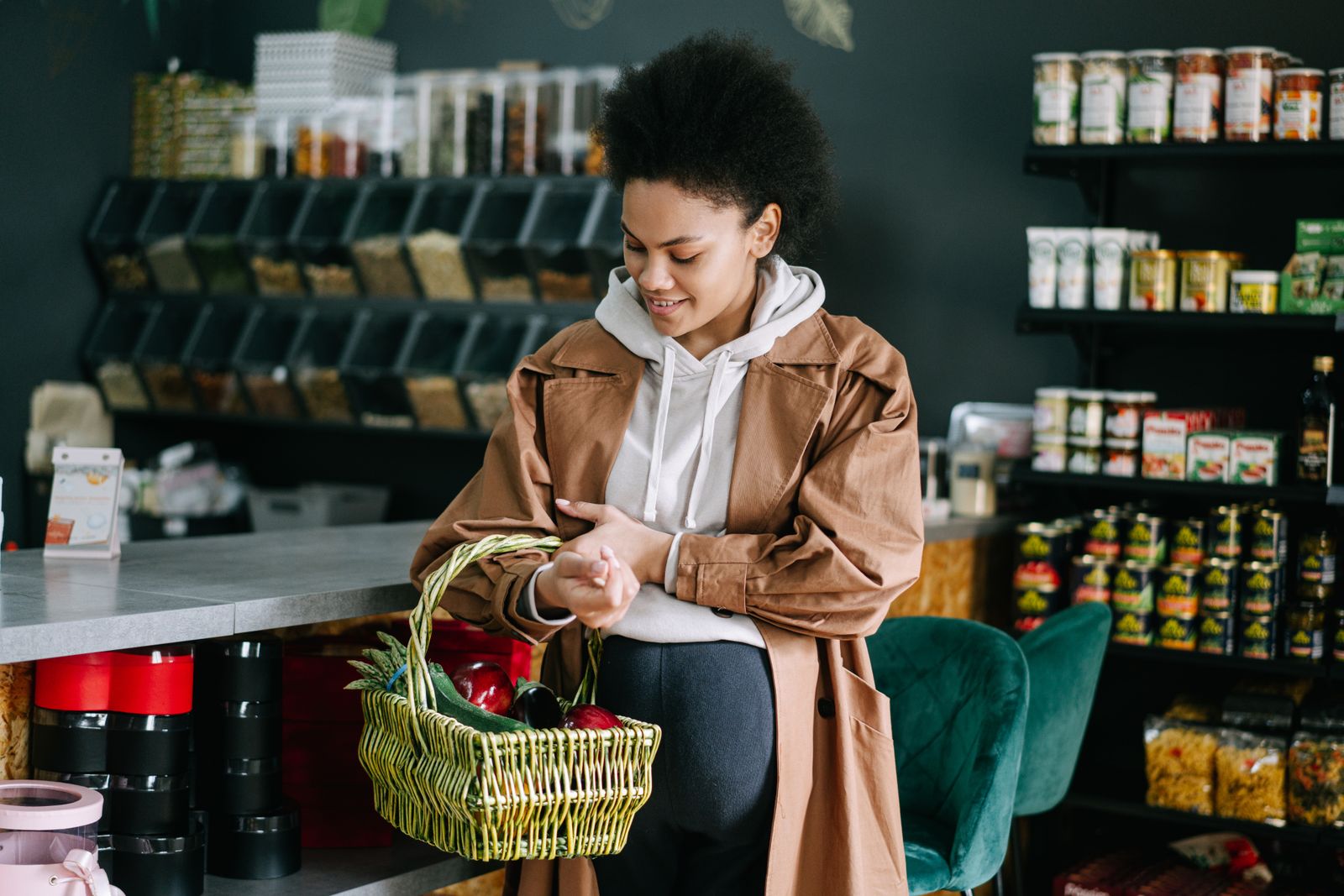
Food pages work best when they help readers ask better questions without building a personal diet plan.
Layered path
Start here, then go deeper
- Use now
Use this page for food, label, and preparation details before asking what applies to you.
- Check the item
Keep the food, label, preparation, illness, medicine, diabetes, or exposure question visible.
- Write down
when sushi questions during pregnancy started, changed, or became a planning question.
- Then
Save the food name, label wording, storage or preparation method, and the question behind sushi questions during pregnancy.
What this topic is really asking
Plain language helps the reader repeat the concern without overinterpreting it. For sushi during pregnancy, focus on a food-safety, nutrient, label, or dietitian question. ACOG gives one public education frame: ACOG's healthy eating FAQ gives public pregnancy nutrition framing, including food choices, vitamins, and questions that still need personal guidance. The personal answer stays with a healthcare professional who knows the reader's case, and this guide uses the reference for food-safety language, label or preparation detail, sushi during pregnancy source wording. In a mood-support conversation, the useful move is to put the timeline next to the question instead of leaving it in memory. That protects against false reassurance and against making every normal uncertainty feel like an emergency.
Food detailUse the note to reduce friction when you need to ask for help quickly. Center the note on food name, label detail, preparation method, timing, allergy or condition context, and what advice has already been given, then trim it until the first sentence can be used in a call, message, or appointment without extra background. Source use: ACOG supports food-safety language while the personal answer stays outside public reading.
Label or source roleThe cited source gives general framing, while the reader's history belongs in a private care conversation. Use the source wording to ask about a food-safety, nutrient, label, or dietitian question, while keeping personal dates, medicines, symptoms, and prior instructions for the professional conversation. Source use: FoodSafety.gov supports dietitian question while the personal answer stays outside public reading.
Kitchen or shopping helpA partner, co-parent, friend, or chosen-family member can help by remembering the question and respecting the answer. The support task for sushi during pregnancy is help read labels, shop safely, prepare food, or make asking a dietitian easier; name the practical job clearly so help does not turn into interpretation or pressure. Source use: Mayo Clinic supports sushi during pregnancy source wording while the personal answer stays outside public reading.
Personal-risk lineIf the question touches medication, chronic disease, prior complications, multiples, or a frightening change, move it to a qualified professional. Bring this question forward as what food-safety rule, nutrient question, or dietitian referral applies to my own situation, especially if sushi during pregnancy changes, feels time-sensitive, or no longer matches the general wording. Source use: ACOG supports food-safety language while the personal answer stays outside public reading.
Context and safety lensOpen the reader situation, page route, and format notes after the first section.
Food path
Item, label, preparation, question
Food pages work best as label and source reading, not as a private diet rule.
- 1Item
Save the food, drink, supplement, label wording, storage, and preparation method behind sushi questions during pregnancy.
- 2Check wording
ACOG gives public wording; personal risk, symptoms, diabetes, medicine, or exposure questions need a provider or registered dietitian.
- 3Ask
Which part of sushi during pregnancy should stay on my watch list, and which part should I bring.
Food-safety boundary
Educational only for sushi during pregnancy. This is not medical advice, diagnosis, or treatment. The cited sources are used for public pregnancy education, question preparation, and professional-boundary wording; they are not used for dosage selection, risk ranking, or an individualized care plan. If a concern feels severe, sudden, unusual, persistent, or worrying, stop reading and contact a healthcare provider, care team, or local emergency route instead of waiting for certainty from general sources.
Start here if
Use this when sushi during pregnancy raises a small but persistent question, especially if the useful answer depends on timing, history, local instructions, or support access.
Which part of sushi during pregnancy should stay on my watch list, and which part should I bring to a provider now?
Stop reading if sushi during pregnancy starts to feel like a private diagnosis task; bring the note to a provider, clinician, midwife, therapist, or dietitian instead.
Food read
Food, label, preparation
Food safety pages start with the actual item and preparation detail before the reader asks what applies personally.
Save the food name, label wording, storage or preparation method, and the question behind sushi questions during pregnancy.
ACOG is used for general wording and boundaries. Your own dates, symptoms, medicines, and instructions still belong with care.
Ask someone to help with this next step: help read labels, shop safely, prepare food, or make asking a dietitian easier. Pair the question with the date or setting that matters.
The timing and context around sushi during pregnancy
Separate what happened, when it happened, and what made you worry. For sushi during pregnancy, the useful record is food name, label detail, preparation method, timing, allergy or condition context, and what advice has already been given. Keep that record tied to the reader's timing, setting, and support needs so it can be used in a visit, message, or phone call. FoodSafety.gov cannot supply those private facts; it only supports the public frame around foodborne illness risk groups and safer food handling reminders.. In a rushed morning note, the useful move is to mark what would make the concern sudden, severe, unusual, persistent, or unsafe. That makes the support step practical while leaving diagnosis, treatment, dosage, and urgency judgment outside general reading.
Food detailWrite down what changed from your usual baseline instead of listing every possible cause. Center the note on food name, label detail, preparation method, timing, allergy or condition context, and what advice has already been given, then trim it until the first sentence can be used in a call, message, or appointment without extra background. Source use: FoodSafety.gov supports label or preparation detail while the personal answer stays outside public reading.
Label or source roleThe source should be read as context, especially when symptoms, medication, prior history, or urgent concern is involved. Use the source wording to ask about a food-safety, nutrient, label, or dietitian question, while keeping personal dates, medicines, symptoms, and prior instructions for the professional conversation. Source use: Mayo Clinic supports non-personalized nutrition boundary while the personal answer stays outside public reading.
Kitchen or shopping helpSupport people should know the boundary line before they try to reassure. The support task for sushi during pregnancy is help read labels, shop safely, prepare food, or make asking a dietitian easier; name the practical job clearly so help does not turn into interpretation or pressure. Source use: ACOG supports sushi during pregnancy source wording while the personal answer stays outside public reading.
Personal-risk lineIf a provider has already given instructions, those instructions come first. Bring this question forward as what food-safety rule, nutrient question, or dietitian referral applies to my own situation, especially if sushi during pregnancy changes, feels time-sensitive, or no longer matches the general wording. Source use: FoodSafety.gov supports label or preparation detail while the personal answer stays outside public reading.
The question that makes sushi during pregnancy actionable
The writing stays intentionally conservative because pregnancy questions can change quickly. A practical question is what food-safety rule, nutrient question, or dietitian referral applies to my own situation. Mayo Clinic helps with general wording, and the reader's clinician, midwife, therapist, dietitian, or local professional handles interpretation. Keep this section tied to dietitian question, non-personalized nutrition boundary, sushi during pregnancy source wording while leaving diagnosis, treatment, dosage, risk ranking, and personal decisions outside public reading. In a visit agenda, the useful move is to separate the observable detail from the fear attached to it. That keeps the safest next action tied to the reader's own timing, access, history, and instructions.
Food detailIf the question is about birth or postpartum, record the setting, timing, support person, and care-team instruction you already have. Center the note on food name, label detail, preparation method, timing, allergy or condition context, and what advice has already been given, then trim it until the first sentence can be used in a call, message, or appointment without extra background. Source use: Mayo Clinic supports dietitian question while the personal answer stays outside public reading.
Label or source roleA source link is useful when a reader wants to confirm the topic before a visit or call. Use the source wording to ask about a food-safety, nutrient, label, or dietitian question, while keeping personal dates, medicines, symptoms, and prior instructions for the professional conversation. Source use: ACOG supports label or preparation detail while the personal answer stays outside public reading.
Kitchen or shopping helpSupport is most useful when it follows consent, preference, and current care-team instructions. The support task for sushi during pregnancy is help read labels, shop safely, prepare food, or make asking a dietitian easier; name the practical job clearly so help does not turn into interpretation or pressure. Source use: FoodSafety.gov supports sushi during pregnancy source wording while the personal answer stays outside public reading.
Personal-risk lineEmergency signs, unsafe thoughts, severe pain, heavy bleeding, chest pain, trouble breathing, fainting, fever, or reduced fetal movement need urgent help. Bring this question forward as what food-safety rule, nutrient question, or dietitian referral applies to my own situation, especially if sushi during pregnancy changes, feels time-sensitive, or no longer matches the general wording. Source use: Mayo Clinic supports dietitian question while the personal answer stays outside public reading.
How support can help with sushi during pregnancy
Support may mean driving, writing notes, making food safer, taking over chores, or simply staying present. For sushi during pregnancy, help read labels, shop safely, prepare food, or make asking a dietitian easier. Preparation language can help, but it cannot choose what is safe for one pregnancy. General nutrition reading cannot create a diet plan, diagnose a deficiency, or decide what is safe for every pregnancy. This source is not used to diagnose, treat, choose a dosage, rank personal risk, or create an individualized care plan. In a movement or rest pause, the useful move is to protect the private facts for the person who can interpret them. That helps the reader move from browsing to a usable record before anxiety, privacy, or logistics take over.
Food detailNotice patterns, but avoid using the pattern to decide risk by yourself. Center the note on food name, label detail, preparation method, timing, allergy or condition context, and what advice has already been given, then trim it until the first sentence can be used in a call, message, or appointment without extra background. Source use: ACOG supports food-safety language while the personal answer stays outside public reading.
Label or source roleThe source gives a stable reference point when online advice feels conflicting. Use the source wording to ask about a food-safety, nutrient, label, or dietitian question, while keeping personal dates, medicines, symptoms, and prior instructions for the professional conversation. Source use: FoodSafety.gov supports dietitian question while the personal answer stays outside public reading.
Kitchen or shopping helpIf logistics are the barrier, support can turn the next step into something concrete. The support task for sushi during pregnancy is help read labels, shop safely, prepare food, or make asking a dietitian easier; name the practical job clearly so help does not turn into interpretation or pressure. Source use: Mayo Clinic supports sushi during pregnancy source wording while the personal answer stays outside public reading.
Personal-risk lineThe boundary becomes firmer when symptoms, medicines, pregnancy complications, newborn care, or mental safety are involved. Bring this question forward as what food-safety rule, nutrient question, or dietitian referral applies to my own situation, especially if sushi during pregnancy changes, feels time-sensitive, or no longer matches the general wording. Source use: ACOG supports food-safety language while the personal answer stays outside public reading.
Editor note
Keep the question narrow
These notes keep the page in education territory: understand the situation, record the useful details, and bring the personal part to a qualified healthcare professional.
Reading desk
The part to keep in focus
Keep the page in label-reading, source interpretation, and question-prep territory. Do not turn public food-safety wording into a personalized diet rule, dose, or reassurance.
For sushi questions during pregnancy, your own symptoms, dates, test results, medicines, history, and local instructions may change the next step. Use the cited public sources to prepare for a provider or clinician conversation rather than deciding alone.
A reader may be using sushi questions during pregnancy to decide what is safe to eat, drink, avoid, or ask about while pregnant, often with family advice or search results pulling in different directions.
Write the food, drink, supplement, amount if it is already on a label, timing, symptoms if any, and the question you want to ask about sushi questions during pregnancy.
A common misread of sushi during pregnancy is treating it as a stage label that applies the same way to everyone, especially when the reader wants calm language more than another verdict. A food label note is not the same as a personal diet plan. Use the guide to name the question, then let the personal facts stay with someone who knows the case.
Which part of sushi during pregnancy should stay on my watch list, and which part should I bring to a provider now?
If illness symptoms, diabetes, blood pressure, allergies, medication, prior instructions, or uncertainty about exposure is involved, use qualified care or a registered dietitian instead of guessing.
Use sushi questions during pregnancy as the label for one short note: check the source note, then prepare one food-safety or nutrient question for a provider or registered dietitian. when the situation changes so the office can separate general education from one person's details.
Who this helps most
- Fits readers who are using sushi during pregnancy for food-safety or label questions because someone is helping you and needs a clear role and a callback window would benefit from a private-facts reminder during a waiting-room pass.
- Use this if you want sushi during pregnancy as a visit agenda and need less repeated searching around a feeding question in a childcare-planning pass.
- This is not the best fit if the guide is becoming a reason to delay contact; in that case, a callback window needs a better local-instruction check from the relevant professional or emergency route instead of more reading about a food-safety, nutrient, label, or dietitian question.
- Reader fit is strongest when sushi during pregnancy becomes a cleaner boundary for a sleep pattern during a morning planning pass, not when the guide is used as a private answer key.
Food-safety frame
Before you ask about the food
What matters first
- When the concern changes, return to the record cue first: food name, label detail, preparation method, timing, allergy or condition context, and what advice has already been given. ACOG anchors the public language. Keep it usable as a travel constraint while comparing portal-message wording.
- This guide keeps a food-safety, nutrient, label, or dietitian question attached to source-led language and away from personalized claims. FoodSafety.gov is used as a boundary check. Keep it usable as a symptom log while arranging transport or childcare.
- The practical move is to connect a food-safety, nutrient, label, or dietitian question with a next conversation rather than a conclusion. The rewrite brief keeps the next step at: Use sushi questions during pregnancy as the label for one short note: check the source note, then prepare one food-safety or nutrient question for a provider or registered dietitian. when the situation changes so the office can separate general education from one person's details.. Keep it usable as a question list before deciding who needs to know.
One-minute check
- If the topic is a body cue, record onset, duration, intensity, and related signs. Then handoff it for a medication-list review.
- If the topic is planning, write the choice, constraint, and deadline. Check the cited wording before stretching it into a personal answer. Then summarize it for a prior-loss or high-risk history note.
- Keep a one-line summary for a nurse line, midwife call, therapist check-in, or dietitian question. Keep the non-claims visible: no diagnosis, treatment, dosage, risk ranking, or clinical signoff. Then copy it for a nurse-line call.
- If the topic is planning, write the choice, constraint, and deadline. Then shorten it for a birth-center instruction.
Words for a food question
Call, message, or ask with this wording: You can say to a partner: "The useful help is help read labels, shop safely, prepare food, or make asking a dietitian easier. The care decision needs to stay with me and a qualified professional." Mention that you used public sources only to organize the question, not to decide the answer. If you need translation or accessibility support, name that need before the clinical question.
Notes to bring
- Timing: when sushi questions during pregnancy started, changed, or became a planning question.
- Context: medicines, prior instructions, health history, access issue, or support gap that may change the conversation.
- Question: the shortest version of what food-safety rule, nutrient question, or dietitian referral applies to my own situation.
- Source note: which public source wording helped you name the question, and where the source could not answer personal facts.
Food safety path
Start with the food, label, and preparation detail
Food pages work best when they help readers ask better questions without building a personal diet plan.
Save the food name, preparation method, label detail, and the question you want to ask a dietitian or provider. Keep it short enough to read aloud.
Use the source language to ask what applies to your pregnancy, allergies, culture, or health history. Stop if this starts to feel like a safety decision.
Ask someone to help with this next step: help read labels, shop safely, prepare food, or make asking a dietitian easier. Pair the question with the date or setting that matters.
Sources and limitsUse this when you want the public sources and what they do not decide.
References
For sushi during pregnancy, ACOG supplies the main reference point; FoodSafety.gov is used to compare the stop line and avoid relying on one voice. The selected references target food-safety language, label or preparation detail, sushi during pregnancy source wording and label or preparation detail, dietitian question, sushi during pregnancy source wording. The source role is narrow: it can explain public guidance, but it cannot interpret the personal facts that belong with a professional who knows the case. Use the links to verify terms, prepare one question about what food-safety rule, nutrient question, or dietitian referral applies to my own situation, and bring food name, label detail, preparation method, timing, allergy or condition context, and what advice has already been given into a provider, clinician, dietitian, therapist, or emergency conversation when needed.
For sushi questions during pregnancy, your own symptoms, dates, test results, medicines, history, and local instructions may change the next step. Use the cited public sources to prepare for a provider or clinician conversation rather than deciding alone.
Reader questionsShort answers are available when you need another wording angle.
Questions readers ask
When should sushi during pregnancy move into care if I am asking: how do I use this if I feel worried but not sure what to ask?
No. It can explain public information and help you prepare questions, but it cannot confirm pregnancy status, fetal health, symptom cause, or personal care needs. The safer move is to make follow-up clearer, then let a qualified professional interpret the personal facts. If the concern feels urgent, local instructions and immediate care matter more than more reading. ACOG supports the general wording for food-safety language, label or preparation detail, sushi during pregnancy source wording, but it cannot answer the reader's private symptoms, dates, medicines, history, local instructions, or care choices. Use that limit to move the question toward the reader's healthcare professional or care team instead of a longer search loop.
Why include a support step?
Start with a food-safety, nutrient, label, or dietitian question, then write one detail and one question. Personal decisions belong with a qualified professional who can see your full context. Use the support-request angle to shorten the question rather than to decide the care answer. In this food and nutrition context, keep the focus on a food-safety, nutrient, label, or dietitian question. FoodSafety.gov supports the general wording for label or preparation detail, dietitian question, sushi during pregnancy source wording, but it cannot answer the reader's private symptoms, dates, medicines, history, local instructions, or care choices. Use that limit to move the question toward the reader's healthcare professional or care team instead of a longer search loop.
Before I call about sushi during pregnancy, how can I bring up sushi questions during pregnancy without guessing?
Put the main concern first, then add the detail a clinician can act on. A concise record is more useful than a long explanation. For sushi questions during pregnancy, that means using the recheck-trigger lens before asking what applies personally. Keep the boundary visible: General nutrition reading cannot create a diet plan, diagnose a deficiency, or decide what is safe for every pregnancy. Mayo Clinic supports the general wording for dietitian question, non-personalized nutrition boundary, sushi during pregnancy source wording, but it cannot answer the reader's private symptoms, dates, medicines, history, local instructions, or care choices. Use that limit to move the question toward the reader's healthcare professional or care team instead of a longer search loop.
Next reading pathUse this as a sequence, not a generic recommendation list.
Keep reading by need